Website redesign
The challenge
The WorldRemit platform offers a differing suite of money transfer services based on the Send and Receive countries.
To respond to declining activation rates, WorldRemit wanted to redesign the website to better align with contemporary SEO and Localisation standards.
Addressing styles, Information architecture and content. I worked to the hypothesis that relevant content converts better.
Workshops and mapping
Qualitative and Quantitative Research
Information Architecture
Design system
New Component design library
Responsive page design
What I did
The methodology
Audit:
I ran a site mapping exercise with the Product and Editorial stakeholders to better understand and categorise content. From the beginning the role of pages felt confused with many having duplicated content, basically the website structure did not feel very intuitive.
On any given page it's not always clear who the targeted audience or target persona is (e.g. service sensitive prospect, price sensitive customer, etc…) and this has made it more challenging to create clear calls to action.
During the SWOT Analysis (strengths, weaknesses, opportunities and threats) session I led prominent negative themes centred around this disorder. No strategy or confidence in the architecture has led the business to expect site traffic to be very similar page to page.
A cycle formed where the content team would include similar content everywhere in order to cater to all possible user types building a mentality of “better safe than sorry” any editorial decision to remove content was considered high risk.
There are lots of stakeholders from Marketing, Content Managers, Content Relationship Managers, Customer Services and regional Country Managers. With so many people involved, ownership had historically been ambiguous and decision making erratic if not slow.
Like with all projects… I like to start projects with what we don't know, assumption mapping is my favourite workshop for this. I find outlining what we think we know as a team at the outset to be very positive for alignment.
Figure 1: Categorising and theming the content in Miro and Figma
Figure 2: Example of workshops I ran, assumption mapping exercise.
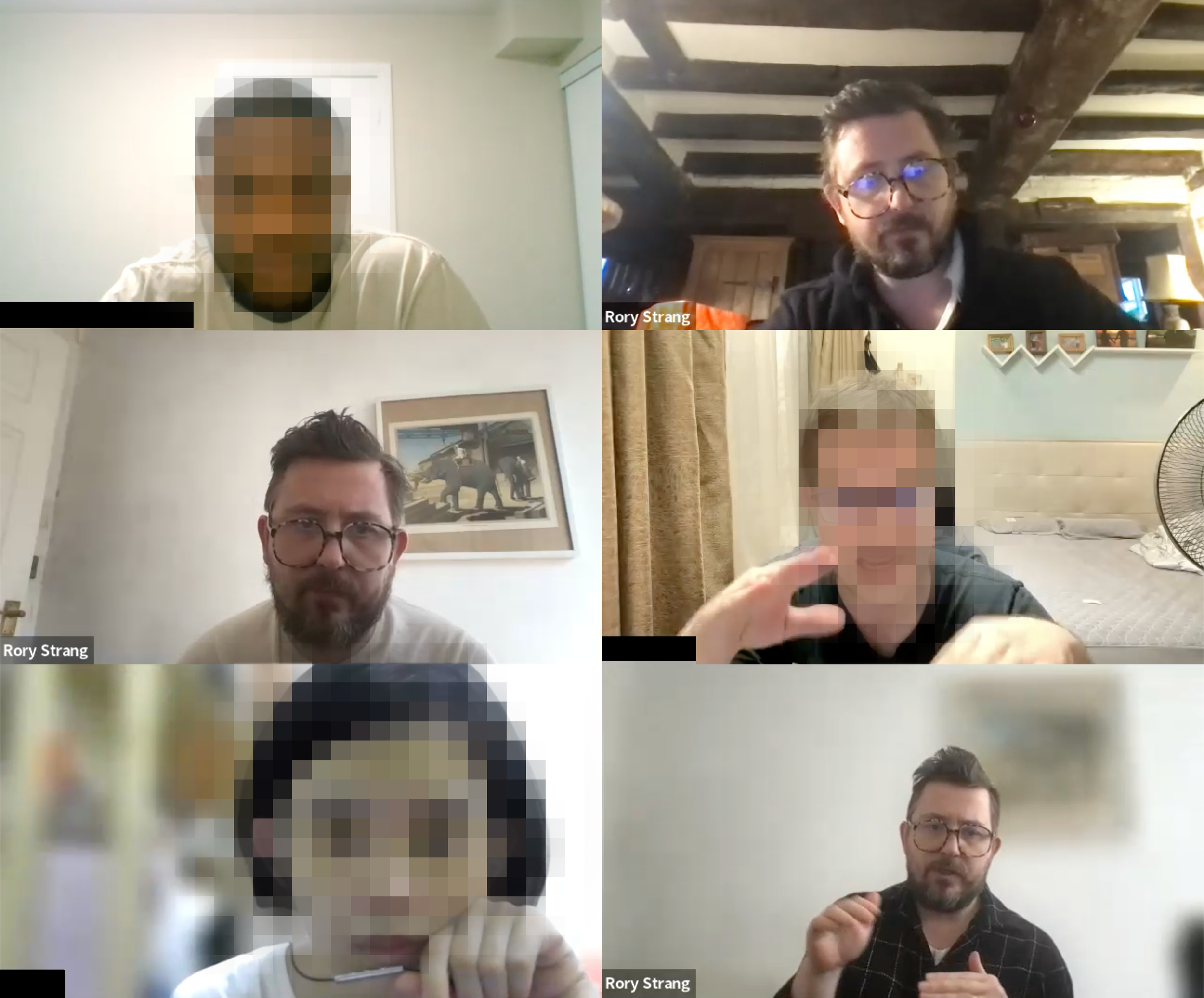
Figure 4: Scripting, screening user cohort interviews
The methodology
Research
The majority (80%) of the traffic we see on the website is categorised as some kind of prospect, with the majority of recurring transactions generally occur via our mobile app platform. Most (72%) of total transactions are recurring.
I drew out the Critical User Journey measuring conversion and abandonment rates from Google Analytics and Full Story. They were identified as:
I want to understand if this service is suitable for my needs. Can I send money to the place I want?
I want to understand the cost. How much money will arrive at my destination if I send money?
I want to take action and send money.
Based on this, I scripted and screened a number of research interviews targeted at these existing customer personas. existing remittance customers, not Zepz customers and those customers who send money exclusively on the Zepz web platform
I am attempting to better understand and interpret the behaviour seen in quantitative data by gaining direct insight via qualitative research interviews.
Figure 4: Identifying categorising and theming.
Figure 5: Drawing out Critical User Journeys, with service and system notes.
The methodology
Calculator
The calculator page is identified as the Key decision page both for new and existing customers. On this page new and existing customers experiment and evaluate the money services WorldRemit offers. From here users can continue to create an account or login and complete a transfer. This page sits at the top of both logged in and out transfer flows.
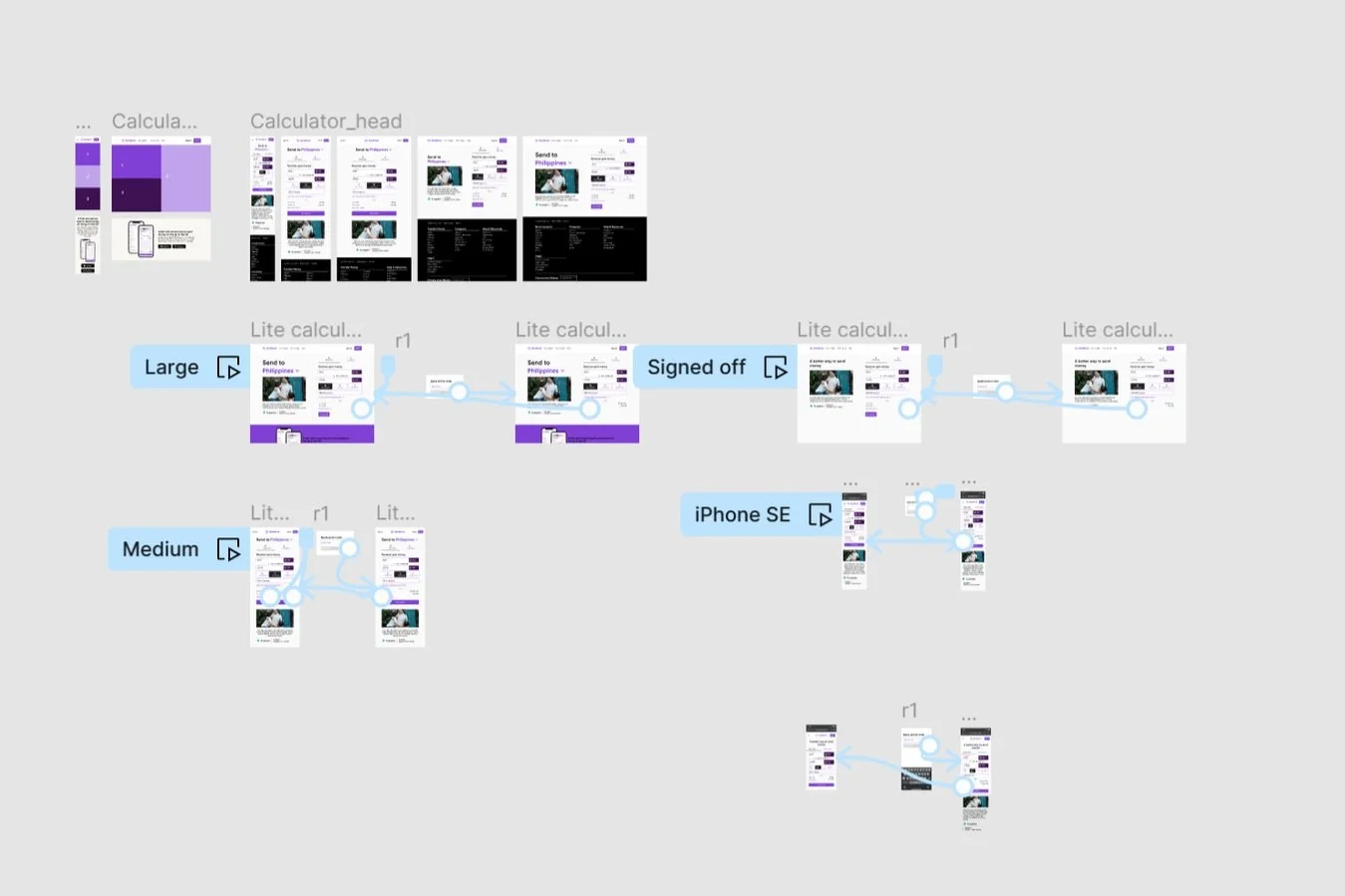
Figure 8: screenshot of Figma, prototypes at different sizes
Figure 9: screenshot of testing session
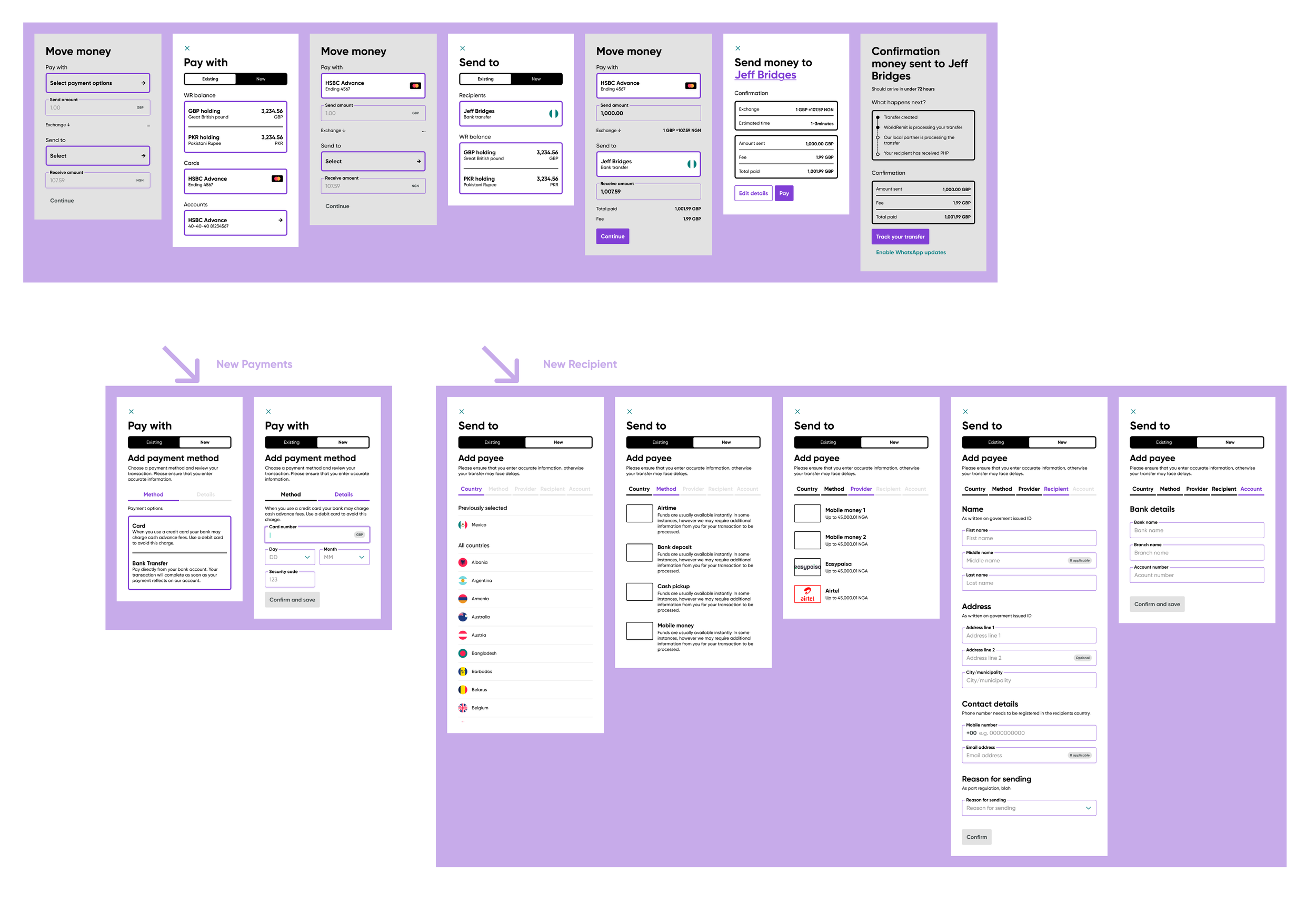
Figure 6: screenshots from the initial testing doc
Figure 7: image from early prototype
The methodology
Hypothesis
Relevant content converts better e.g. when sending money from the UK to Nigeria users are only interested in services, campaigns, cost and currencies across that corridor.
The key challenges that stood out were:
Ways of working with content teams; How can we build a workflow that scales globally.
Good digital experiences are consistent and familiar; How can we build components which support our scaling requirements?
Localised websites are big, with lots of variants; How can we balance customisation with automation?
As the majority of traffic is categorised as some sort of prospect, how might we better onboard and convert users who discover WorldRemit?
House keeping:
The methodology
I started organising and optimising components. Listing out content types the new components I design following a semantic naming convention... class names that describe what the component is, or its intended purpose, rather than how it looks.
All components new and old I document in a shareable document which is shared among stakeholders. This document becomes the centrally controlled source of truth, updated as changes are shipped. It's the mechanism I used to communicate changes and status of new components.
Figure 10: A few examples from component documentation.
Concept phase:
The methodology
New components following a semantic naming convention... class names that describe what the component is, or it's intended purpose, rather than how it looks.
Organising and optimising components.
Right from the set off Publishing and share documentation with stakeholders. I needed to find a way of communicating changes to the broader team I needed a single source of truth to share.
Reusable assets centrally controlled and updated. Cycle of ship, reuse and update.
Figure 11: Building components from content modules and building mockups Homepage: Trust themed, How it works: Education themed, Country pages: Marketplace themed.
The methodology
Decision time:
In order to take advantage of identified opportunities the SEO team briefed into product two initiatives.
Send and receive (corridor) specific pages. If users Google "send money to [country], send [currency] to [currency]" a WorldRemit currency exchange page should appear in the listings. This page should be optimised to rank well and Create a clear path to conversion.
Currency exchange pages
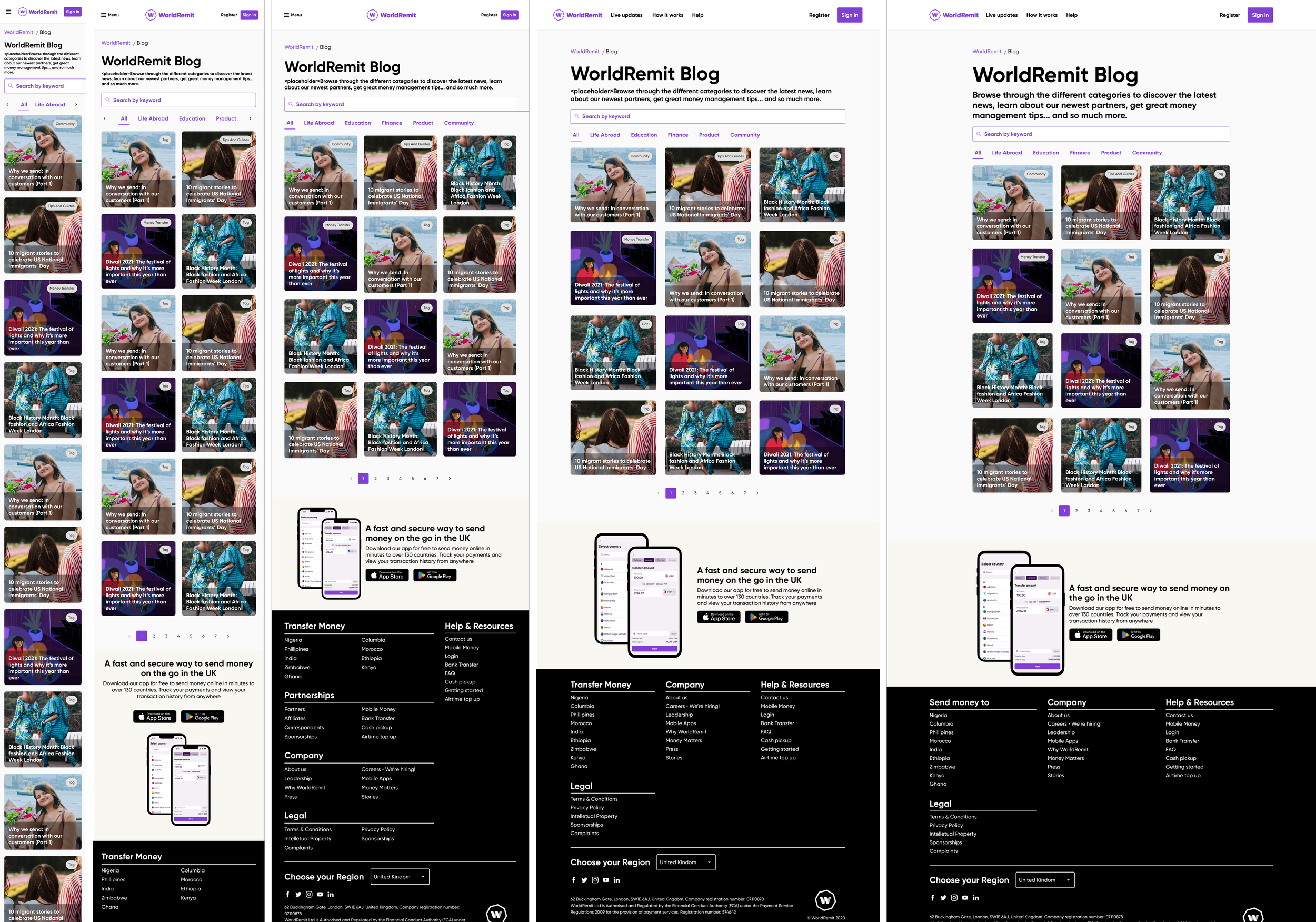
Blog pages. In partnership with the broader Marketing team, this service would be managed by them and regularly updated with targeted regional content.
Blogs
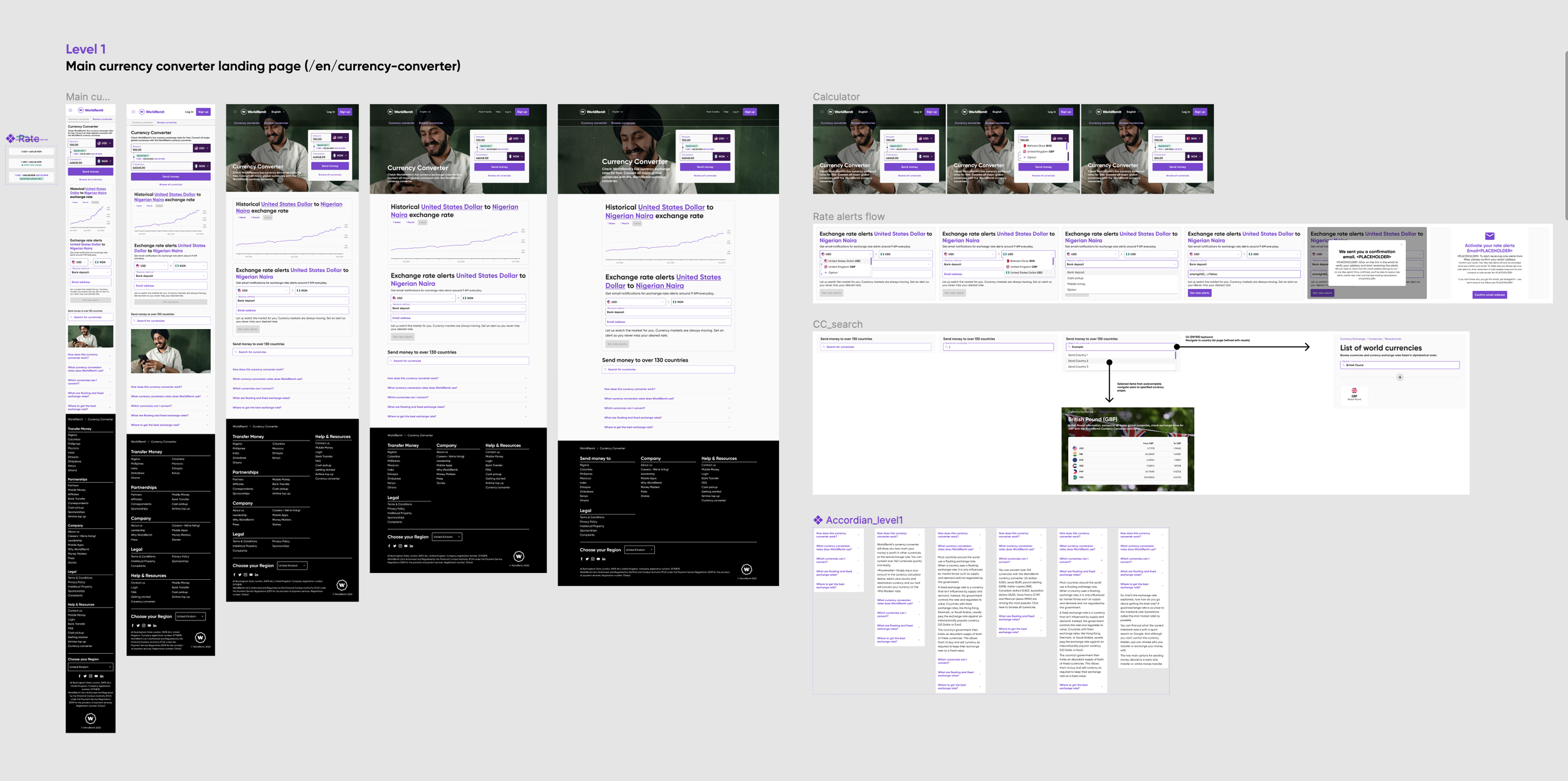
Example
Currency Exchange pages
Relevant content converts better e.g. when sending money from the UK to Nigeria users are only interested in services, campaigns, cost and currencies across that corridor.
Figure 12: Screenshot of Currency exchange prototype, starting from a google results page.
Figure 13: Screenshot from early stage designs looking at identifying components
Example
Blog
Relevant content converts better e.g. when sending money from the UK to Nigeria users are only interested in services, campaigns, cost and currencies across that corridor.
Figure 14: Screenshot of the Blog pages
Figure 15: Screenshot of Search module